Request support from your GP
For the fastest, most convenient way to access our GP services.

For the fastest, most convenient way to access our GP services.
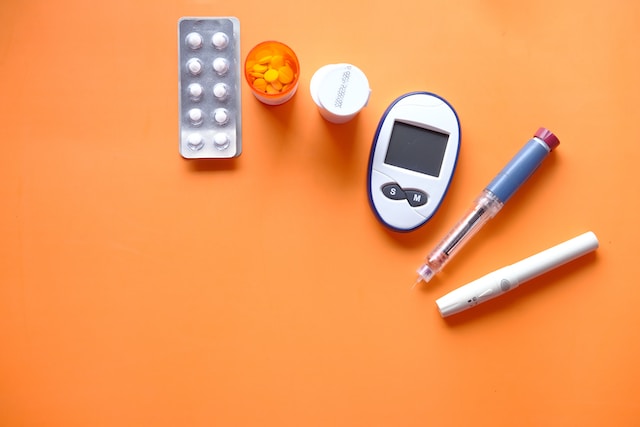
Silver End Surgery is committed to giving you high-quality healthcare. We offer treatment and advice for patients who have Diabetes. We are committed to providing our patients with a full general practice service and access to a range of health professionals.
Type 1 diabetes causes the level of glucose (sugar) in your blood to become too high. It happens when your body cannot produce enough of a hormone called insulin, which controls blood glucose. You need to take insulin every day to keep your blood glucose levels under control Managing type 1 diabetes can take time to get used to, but you can still do all the things you enjoy. This guide is here to help.
Type 2 diabetes is a common condition that causes the level of sugar (glucose) in the blood to become too high. It can cause symptoms like excessive thirst, needing to pee a lot and tiredness. It can also increase your risk of getting serious problems with your eyes, heart and nerves. It’s a lifelong condition that can affect your everyday life. You may need to change your diet, take medicines and have regular check-ups. It’s caused by problems with a chemical in the body (hormone) called insulin. It’s often linked to being overweight or inactive, or having a family history of type 2 diabetes.


